Biophilic Design: Integrating Nature for Tranquil and Healthier Living Spaces Mar 27, 2026
Biophilic design is grounded in the innate human attraction to nature, known as biophilia. It focuses on connecting indoor environments with the natural world, which studies have shown can reduce stress, enhance mood, and improve cognitive function. The idea is to create spaces that engage the senses, promote relaxation, and foster well-being by incorporating elements like natural light, plants, water features, and organic materials.
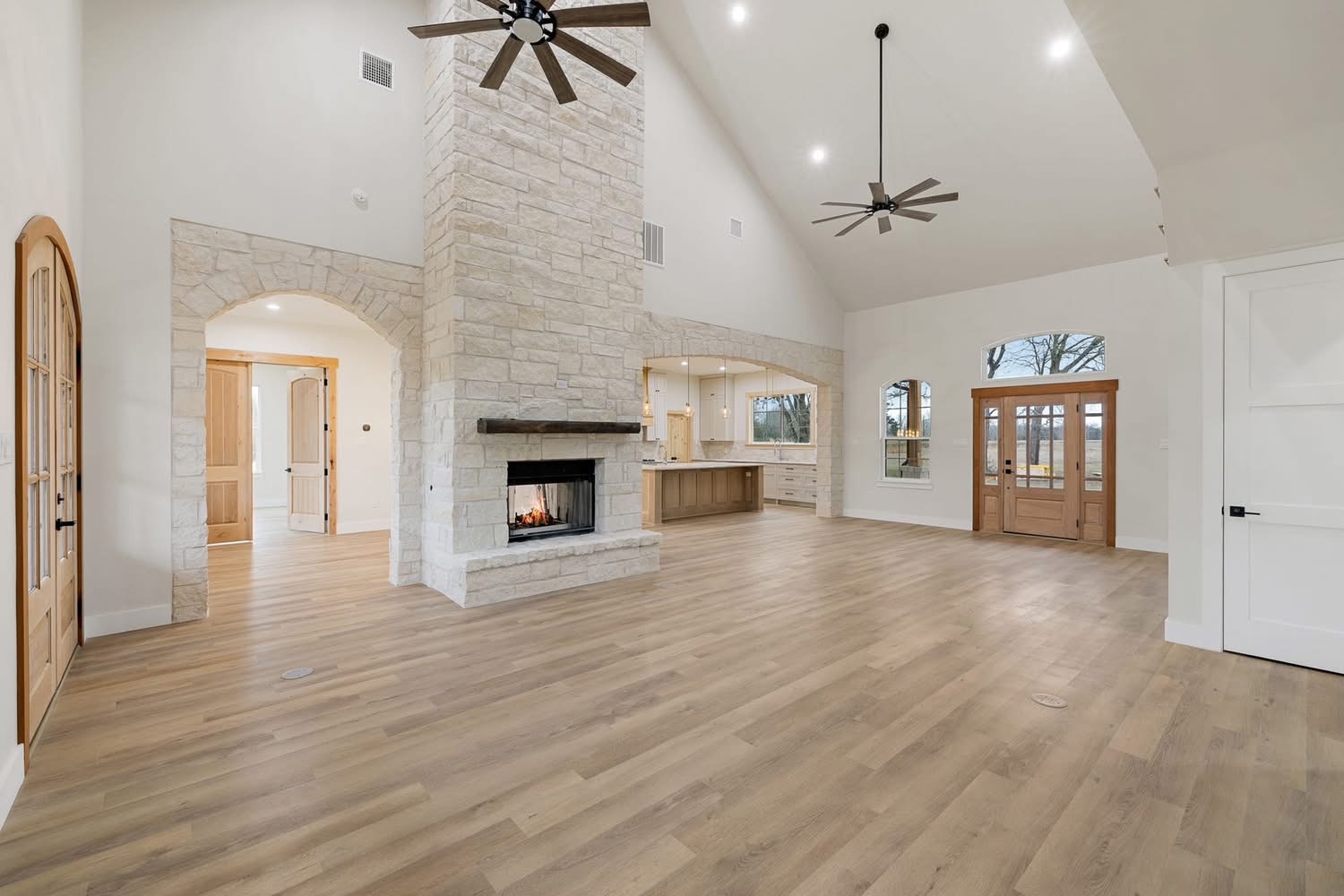
One of the simplest ways to bring nature into your home is through the use of natural light. Large windows, skylights, and open spaces can maximize daylight exposure, helping regulate the body's internal clock and boosting mood. Consider replacing heavy curtains with sheer fabrics to let more light in or strategically placing mirrors to reflect sunlight around the room.
Plants are another essential aspect of biophilic design. Greenery not only improves air quality but also adds a refreshing touch of nature to interior spaces. From small potted plants on your kitchen counter to a green wall in your living room, the options are endless. Select plants that suit your home's lighting conditions and your level of commitment to plant care. For those with less time for maintenance, succulents and cacti are low-maintenance choices that thrive with minimal attention.
Water features can also play a pivotal role in fostering a biophilic environment. The soothing sound of flowing water can evoke a sense of calm, making fountains or small indoor water gardens an excellent addition to living rooms or entryways. If installing a water feature isn't feasible, even a simple tabletop fountain can suffice, offering audio-visual comfort from the natural world.
Incorporating organic materials is another crucial element of biophilic design. Materials such as wood, stone, and bamboo add a tactile nature to your surroundings and create a sense of warmth and luxury. Consider using wooden furniture, stone countertops, or bamboo flooring to enhance your living spaces. During a home renovation, experiment with varying textures and shades to emulate natural landscapes.
Finally, consider using color palettes inspired by nature. Earthy tones and shades of green and blue can create a calming atmosphere that echoes the serenity of the outdoors. These colors work well in any room and can be complemented with nature-themed art or accessories.
In conclusion, integrating biophilic design into your home can transform your living spaces into peaceful sanctuaries that benefit both body and mind. At Alpine Homes and Construction, we understand the importance of creating environments that support well-being and comfort. By incorporating elements like natural light, plants, water features, and organic materials, you not only improve the aesthetic appeal of your home but also enrich your living experience. As you explore the possibilities of biophilic design, remember that the key lies in creating a seamless blend between your home and the natural world. Let nature be your inspiration, and you'll find tranquility and health within your walls.
/filters:no_upscale()/filters:format(webp)/media/4164d940-792d-4cd1-9d5a-04f0491c8bad.jpg)